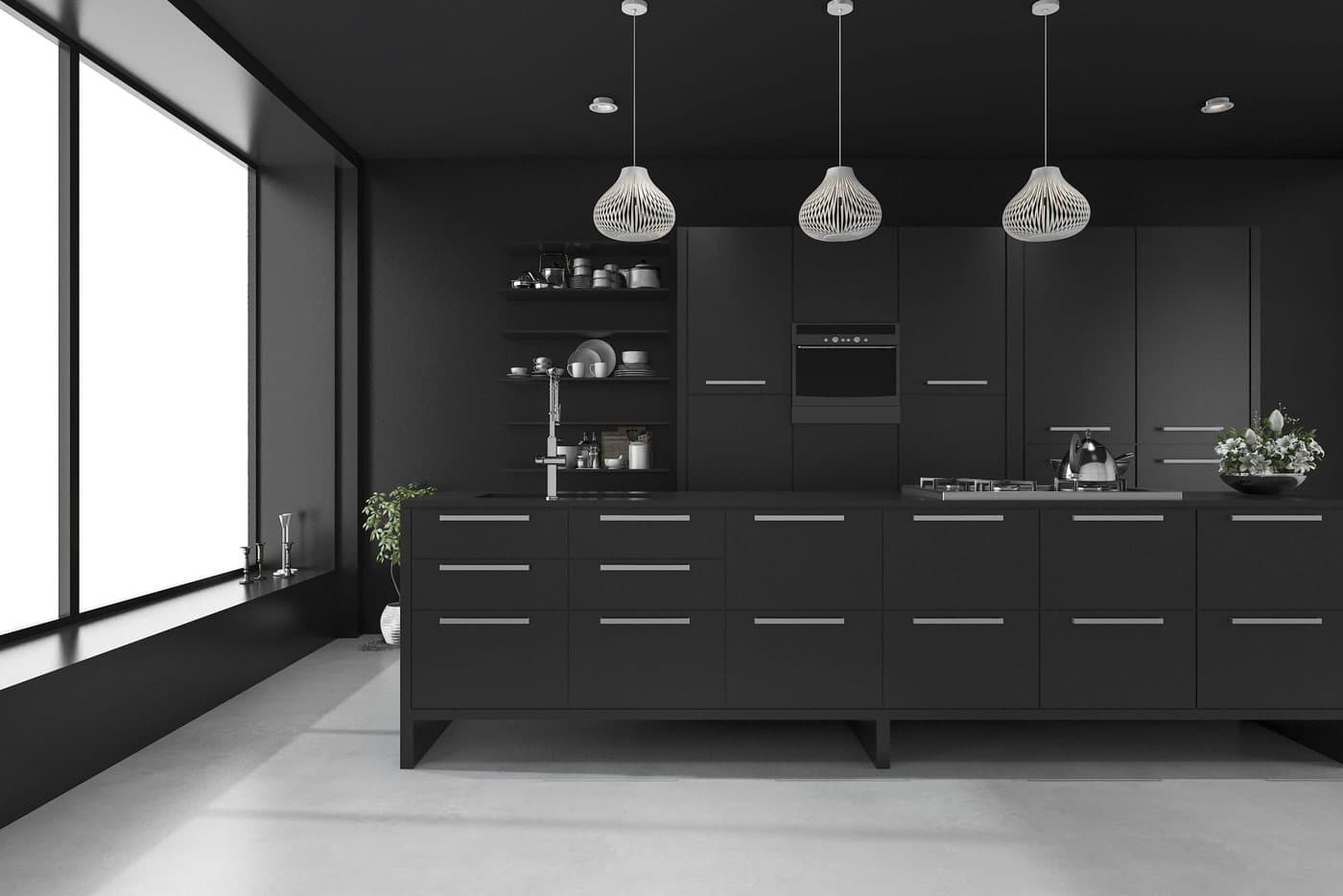
Interior design has stopped being a luxury in Karachi and become a way of getting more out of the space you already paid for. Plots are expensive, apartments are compact, and the difference between a well-planned home and a badly planned one of identical size is enormous.
This is a room-by-room walk through where that difference is actually made — and which decisions are expensive to reverse later.
The living room: plan the circulation first
Most living rooms in Karachi are planned around the television and then furnished into a corridor. Start instead with how people cross the room. Once the walking lines are clear, the seating tends to place itself, and the room stops feeling like a waiting area.
The two elements worth building rather than buying are the media wall and the ceiling. A media wall done properly hides the cabling, carries the lighting and gives the room a focal point that is architecture rather than furniture. A false ceiling is where the lighting plan lives — and lighting, not paint, is what decides whether a room feels expensive at night.
The bedroom: quiet surfaces, real storage
Bedrooms suffer when they are asked to store more than they were designed to. The fix is almost always vertical — full-height wardrobes with a planned interior rather than a standard shelf-and-rail — and the finish should be calm enough that a wall of storage disappears rather than dominates.
Keep the wardrobe front within a shade or two of the wall, put the internal LED on a door sensor, and the room reads larger than the floor plan says it is.
“In a compact home, the ceiling is the cheapest storage you own and the last place anyone looks.”
The kitchen: the room where the money should go
If the budget has to be uneven, make it uneven here. The kitchen is used more than any other room, it takes more abuse than any other room, and it is the room a future buyer will price most carefully.
Three decisions carry most of the outcome — and all three are set out in the collection: the layout — specifically whether the run between sink, hob and fridge is short enough to work in; the extraction, which in a Karachi kitchen cooking Pakistani food is not a place to economise; and the hardware, because runners and hinges are what fail first. Heat-resistant surfaces and moisture-resistant carcasses should be a given, not an upgrade.
The bathroom: ventilation, then everything else
Bathrooms in this climate are decided by ventilation and by what the vanity carcass is made of. A beautiful vanity built from ordinary board will swell at the base within two seasons, and no finish will save it.
Beyond that: get the mirror lighting right — light on both sides of the face rather than above it — and plan the storage for what is actually kept in a bathroom, which is far more than the standard cabinet allows for.
Apartments and villas want different things
In an apartment the enemy is clutter and the tools are built-in storage, light palettes and open sightlines — you are trying to make the space read as continuous. In a villa the enemy is incoherence: a large house done in fragments looks assembled rather than designed, and the fix is a material palette carried deliberately across kitchen, wardrobes, vanities and doors — the quickest way to test one is the material visualiser.
The trends worth following, and the ones that will date
- Worth it: neutral base palettes with one committed accent — they survive a change of furniture.
- Worth it: open-plan living, where the structure allows and the extraction is good enough.
- Worth it: natural texture — real timber, real stone — which ages rather than wears.
- Careful: high-gloss everything. Beautiful in photographs, less forgiving in a household with children.
- Careful: a strongly fashionable colour on built-in joinery. Paint is reversible; a lacquered kitchen is not.
What it is worth
A well-designed interior changes two things at once: how the home works every day, and what it is worth when you come to sell. In Karachi, built-in joinery is the part buyers can least easily replace themselves, which is why it holds its value in a way that decoration does not.
Amaza Homes handles all of it under one roof — design, manufacture, installation, and the civil works, flooring, ceilings and lighting around them. Bring a plan, a Pinterest board, or nothing at all.